
Licensed & Insured
Heavy appliances demand controlled handling, not brute force. Our appliance movers in Seattle account for weight, balance, doorway clearance, flooring, transport position, and placement.
How We Handle Your Move
Heavy appliances combine concentrated weight, rigid edges, limited handholds, and surfaces that can damage floors or doorframes if movement is poorly controlled. Refrigerators also have tall profiles, while washers and stoves can be difficult to reposition once they reach a narrow threshold or turn.
Our appliance movers in Seattle plan around the specific unit rather than treating every appliance as the same heavy object. The appliance moving company considers dimensions, appliance dolly use, moving straps, floor protection, door clearance, transport orientation, and whether utility disconnection coordination needs to be arranged separately before the crew arrives.
What’s Included
Refrigerator movers control tall, heavy units through doorways, turns, and loading areas.
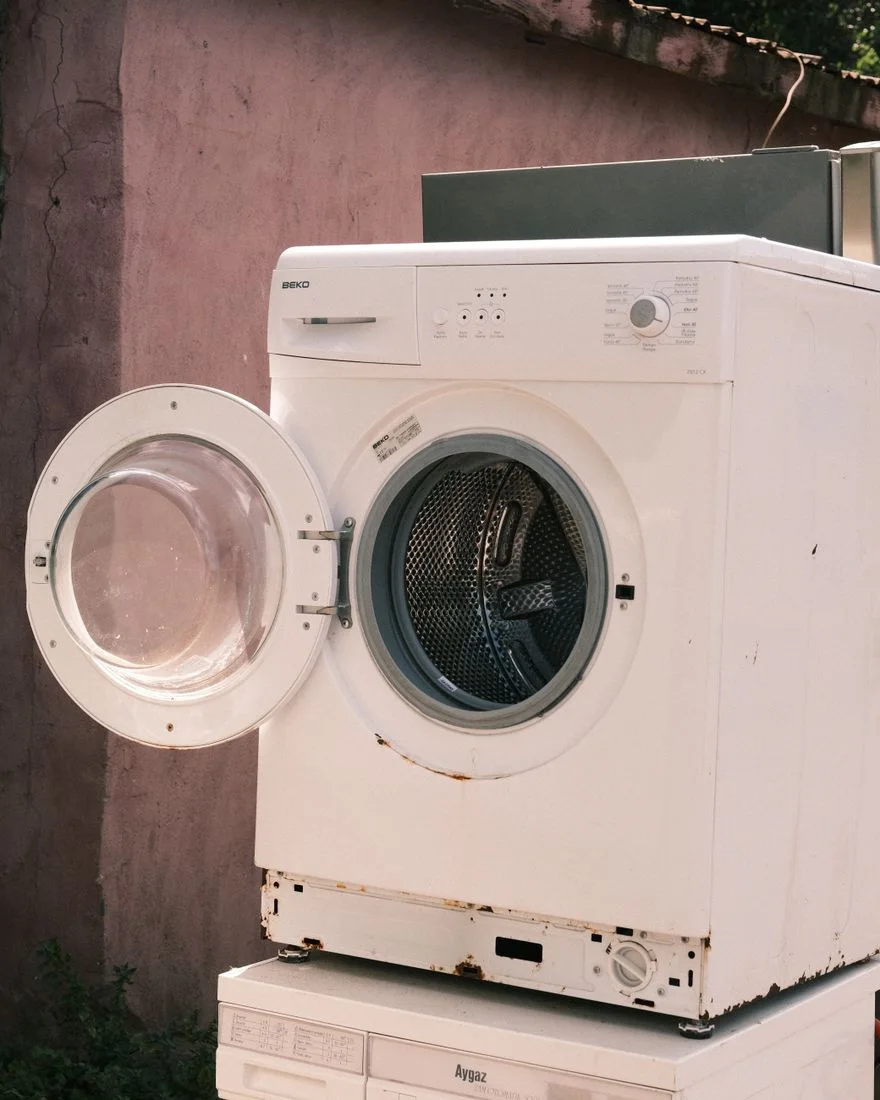
Washer dryer movers manage compact machines with substantial weight and limited grip points.
Stove movers protect rigid appliance edges, kitchen flooring, doorways, and nearby finishes.
Dishwasher movers handle compact units that still require careful clearance and secure transport.
Commercial appliance movers assess larger equipment individually for weight, access, and transport requirements.
Single appliance movers can relocate one refrigerator, washer, dryer, stove, or similar unit.
Why Choose Us
Heavy appliance movers use suitable equipment and controlled positioning because concentrated weight can make refrigerators, washers, and stoves difficult to correct once movement begins.
Floor protection, doorway checks, and careful turns reduce the chance of appliance edges, dollies, or concentrated loads scraping flooring, trim, thresholds, and walls.
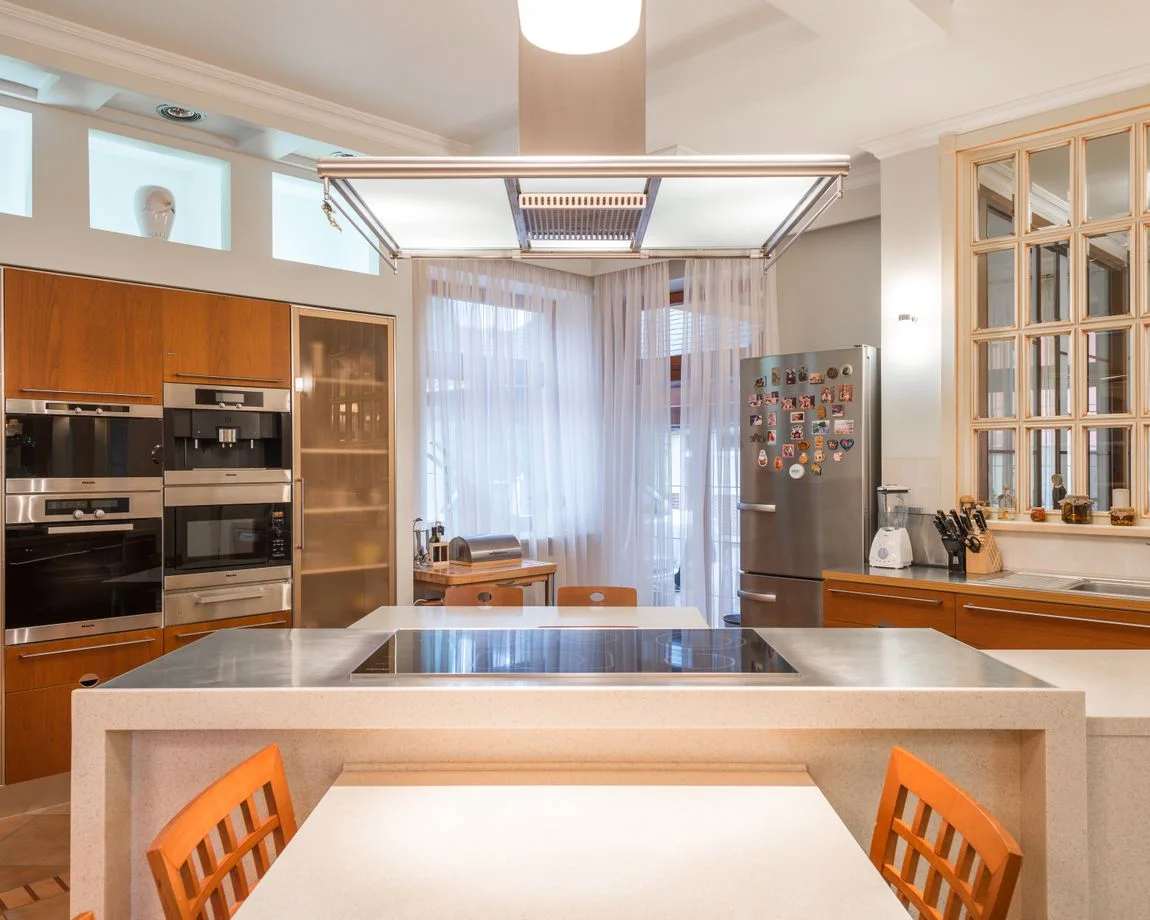
Kitchen appliance movers account for the destination space so heavy units can approach their final position without repeated dragging, turning, or unnecessary repositioning.
How It Works
01
We review appliance type, approximate dimensions, access conditions, loose components, and transport readiness.
02
Floors, thresholds, doorway clearance, corners, and stairs are checked before movement starts.
03
An appliance dolly and moving straps help control the unit during loading and transportation.
04
The appliance is brought to the agreed destination area and positioned with controlled movement.
What’s Guaranteed
Scratched Floors And Thresholds
Appliance Tipping During Movement
Doorframe And Cabinet Damage
A Complete Guide
Empty refrigerators before moving day and remove or secure shelves, bins, racks, and other loose components that could shift during transport. Measure the appliance against the narrowest doorway or hallway on the route, not only the front entrance. For washers, dryers, stoves, and other connected units, confirm in advance who will handle any required utility disconnection. After delivery, check the unit, surrounding flooring, and placement before separate installation or reconnection work begins.
Appliances are harder to stop and redirect than ordinary household items once their weight is committed to a dolly. Clear rugs, boxes, chairs, bins, and other obstacles from the route before the crew arrives. Giving an appliance transport service the exact appliance type and approximate dimensions also reduces unnecessary measuring and equipment changes. Refrigerator movers and washer dryer movers face different balance and clearance challenges, so detailed booking information can meaningfully reduce workload.
Apartment, condo, and commercial appliance moves in Seattle may involve elevator reservations, loading access, parking restrictions, or permitted moving hours. Appliance movers in Seattle can schedule more efficiently when these conditions are known during quoting instead of after arrival. Appliance relocation services also depend on transport readiness, so clarify utility responsibilities beforehand rather than assuming disconnection or reconnection is included. Accurate access details help control avoidable waiting time and unnecessary moving costs.
Client Reviews


 Trustindex verifies that the original source of the review is Google.
 Trustindex verifies that the original source of the review is Google.
 Trustindex verifies that the original source of the review is Google.
 Trustindex verifies that the original source of the review is Google.
 Trustindex verifies that the original source of the review is Google.
 Trustindex verifies that the original source of the review is Google.
 Trustindex verifies that the original source of the review is Google.
Got Any Queries?
Utility disconnection can be coordinated as part of planning, though the specific scope depends on what’s confirmed in advance for the move. Clarifying this detail during the quote process helps determine whether a plumber, electrician, or the crew handles this step.
Floor protection, such as padding or runners, is placed along the carrying path before a refrigerator or other heavy appliance is moved through the home. This prevents scrapes and scratches that can happen when a dense, awkward item is dragged or shifted.
A single appliance, like a washer or refrigerator, can be booked on its own without requiring a full household moving service. Sharing the appliance type, weight, and pickup and delivery addresses helps confirm the right crew and equipment.
Some appliances, particularly larger refrigerators, may need doors removed or require careful angling to clear a standard doorway. Measuring the appliance against the doorway in advance helps identify this issue before it becomes a problem on moving day.
Commercial appliance moving follows similar handling principles as household appliances, focused on weight, floor protection, and door clearance. Sharing the specific equipment involved during the quote process helps confirm the right crew and equipment for the job.
Related Moving Support
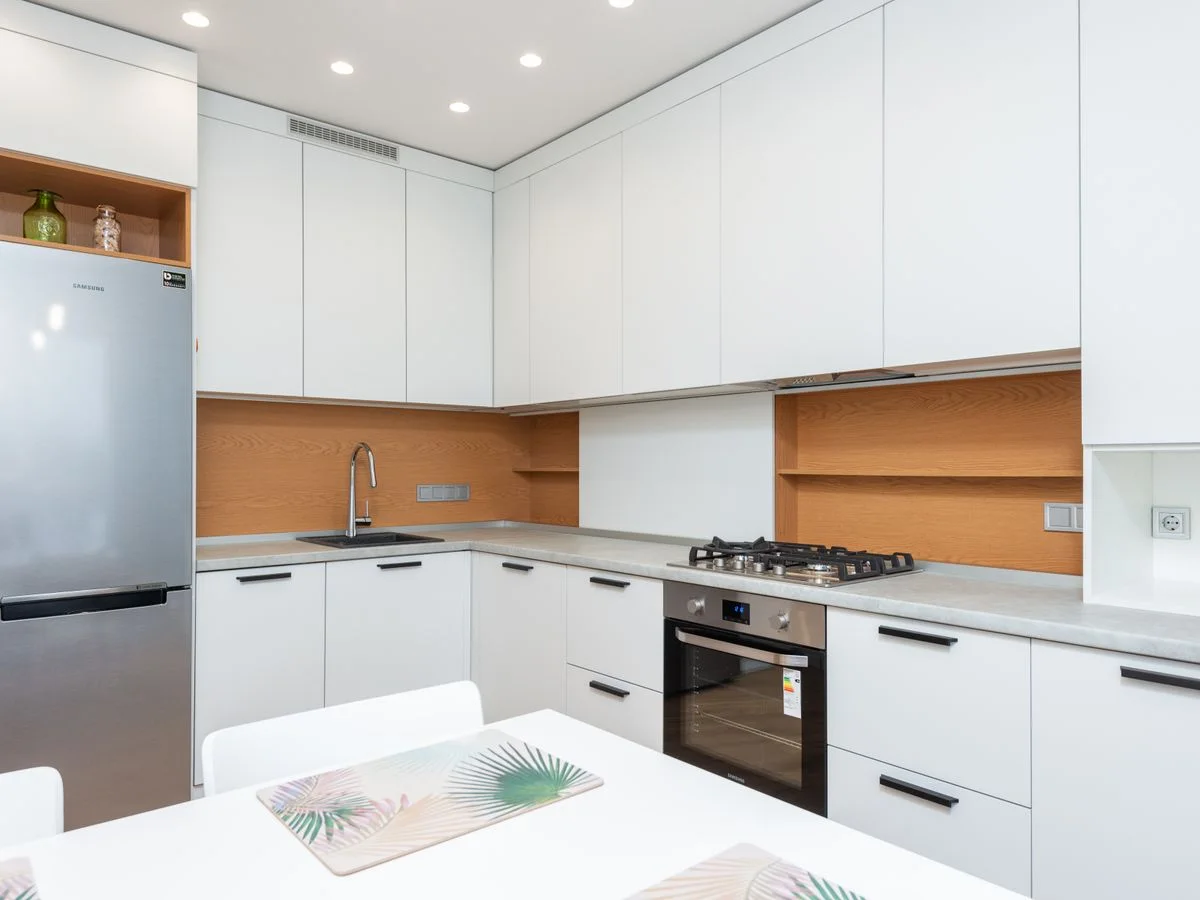
Combine appliance moving with local moving services or professional packing services in Seattle when your project extends beyond refrigerators, washers, or other heavy units.
Tell us the appliance type, approximate dimensions, stairs, elevators, and tight doorways so the difficult parts can be identified before the unit starts moving. Choose Octopus Movers Services LLC when you need appliance movers in Seattle who can plan the equipment, floor protection, access route, and crew around the actual appliance and property.