
A successful move depends on decisions made before the truck arrives. These detailed answers cover pricing variables, Seattle building access, scheduling, packing, furniture, appliances, office relocations, and the complications that can change moving day.
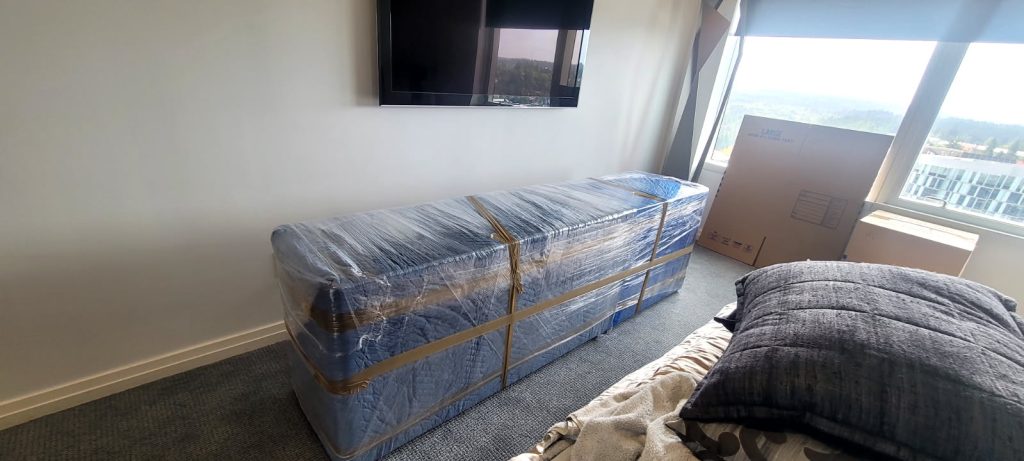
Quotes can differ because companies may interpret inventory, labor requirements, travel, stairs, carrying distance, and service scope differently. Compare what each estimate actually includes rather than comparing only the total. A cheaper quote based on incomplete information may not represent the same job.
Undisclosed furniture, additional boxes, difficult parking, longer carrying distances, stairs, elevator delays, unfinished packing, or unexpected disassembly can change the workload. Giving movers accurate inventory and access information beforehand reduces the chance that moving-day conditions differ significantly from what was originally quoted.
Neither pricing structure is automatically better. What matters is whether the quoted scope accurately reflects your move and whether you understand what can change the price. Ask how stairs, travel, waiting time, additional items, packing, and access complications are treated before comparing offers.
Yes. A long carry means every box and piece of furniture travels farther by hand or moving equipment. That can increase physical workload and overall moving time. Tell the mover about courtyards, garages, long hallways, detached parking, or distant loading areas during quoting.
A useful estimate should reflect your inventory, origin and destination, property access, major furniture or appliances, stairs or elevators, and requested services. You should also understand what assumptions the estimate uses and what types of changes could alter the original scope on moving day.
Ideally, check available elevator windows before finalizing the moving time. A confirmed crew without building access can create an immediate scheduling conflict. Ask management about elevator duration, loading access, permitted hours, and whether another resident could be moving during the same window.
The move can still require carrying everything between the building and the nearest workable parking location. That increases walking distance and can slow loading considerably. Check loading zones, garage restrictions, driveway availability, and building procedures beforehand rather than leaving parking to be solved at arrival.
Tell the moving company about the exact window before booking. Limited access may affect arrival planning, crew requirements, packing readiness, and how quickly loading must begin. Have everything packed and elevator access confirmed so the available period is spent moving rather than resolving building logistics.
Morning moves can offer more remaining daylight and time to handle unexpected delays, while an afternoon move may fit certain building or personal schedules better. The more important consideration is confirmed access at both properties, including keys, elevators, parking, and permitted moving hours.
Keep boxes sealed securely, clear covered pathways where possible, and make sure movers can access both properties without unnecessary outdoor staging. Protect belongings that are especially sensitive to moisture. Also expect loading and walking surfaces to require more deliberate handling when conditions become wet or slippery.
Tell movers whether they will use stairs or a passenger elevator and how far the unit is from that access point. Large furniture should also be checked against elevator dimensions and stair turns. A fifth-floor move can require very different planning depending on building design.
Floor number still affects elevator travel, waiting time, hallway distance, and building access. Some elevators are shared rather than reserved, which can create repeated delays. Giving the floor, elevator type, and distance from unit to loading area creates a much clearer picture of the job.
Ask about approved moving hours, elevator reservations, loading areas, parking, access codes, hallway or elevator protection, and any documentation required from moving companies. Building rules can affect the entire schedule, so verify them before choosing a move time rather than after the crew is booked.
Measure the couch, elevator door, cabin, stairwell, and relevant turns before moving day. Depending on construction, removable legs or sectional components may improve clearance. If the elevator route cannot work, movers need to know early enough to evaluate whether another practical route exists.
Coordinate keys, access times, elevator reservations, and parking at both properties before scheduling the crew. The destination must be accessible when unloading begins. A delay in receiving keys or gaining building access can leave a fully loaded moving vehicle waiting with nowhere to unload.
The decision depends on furniture construction and the access route. Removing table legs, bed frames, or sectional components can improve clearance, while unnecessary disassembly may create additional risk. Movers should consider whether dismantling actually makes the piece safer or easier to transport.
Remove heavy, fragile, valuable, or loose contents. Leaving them inside increases furniture weight and allows items to shift when the dresser is tilted. Whether lightweight contents can remain depends on the piece and handling method, so particularly large or heavy dressers should be discussed beforehand.
Share approximate length, width, sectional configuration, removable pieces, stairs, elevators, and narrow doorways at both locations. Photographs can also clarify access. Describing it simply as “one sofa” does not reveal the dimensions or maneuvering problems that determine how the piece must be handled.
Protection should reflect the piece. Finished wood, upholstery, glass components, corners, and exposed edges have different contact risks. Moving blankets and other protective measures are most useful when paired with controlled carrying, adequate doorway clearance, and secure positioning during transportation.
Do not assume they do. Pianos and pool tables require specialized handling beyond ordinary couches, tables, beds, and cabinets. Octopus Movers Services LLC excludes pianos and pool tables from its standard furniture moving scope, so those items should be arranged with an appropriate specialty mover.
Refrigerator width and depth determine whether the unit can clear kitchen openings, hallways, and exterior doors. Handles and doors can make the appliance wider than expected. Providing dimensions early helps identify potential clearance issues before a heavy refrigerator is already being maneuvered through the property.
Never assume utility work is included with appliance transportation. Water, gas, or electrical connections may require separate arrangements depending on the appliance and service scope. Confirm responsibility before moving day so the crew does not arrive to find a heavy appliance still connected and unprepared.
Loose shelves, bins, and drawers can shift while a refrigerator is tilted or transported. Removing or securing them reduces internal movement and makes preparation more predictable. Food should also be removed so unnecessary weight and loose contents are not carried inside the appliance during relocation.
Washing machines concentrate substantial weight into a relatively compact body, making them dense and awkward to control through thresholds or stairs. Their shape provides limited gripping points as well. Proper moving equipment and a clear route become especially important once the machine begins moving.
Single-appliance moving can be appropriate when only a refrigerator, washer, dryer, stove, or similar unit needs relocation. Provide dimensions, stairs, elevator details, and pickup and delivery access. The logistics of one heavy appliance can matter more than the number of items being moved.
The decision is usually about time, workload, and complexity rather than ability. Professional packing may be valuable when your schedule is limited, the property contains many belongings, or selected rooms require significant preparation. You can also discuss packing only part of the home rather than everything.
Unfinished packing can interrupt loading because movers must work around loose belongings and rooms that are not ready. If you expect to fall behind, discuss packing assistance beforehand rather than treating it as a moving-day surprise. Clear, sealed boxes are substantially easier to load efficiently.
Keep medications, identification, keys, important documents, wallets, phones, chargers, and immediate-use essentials with you. Also confirm directly with the moving company which items they cannot transport. Do not accidentally pack building keys, access fobs, or anything required to enter the destination property.
Label by destination rather than only by contents. “Upstairs Bedroom – Clothes” provides more useful placement information than “Clothes.” Put labels where they can be seen without rotating every box. For larger homes or offices, room numbers or simple destination codes can reduce repeated placement questions.
Tell the moving company as soon as you know. Adding a sectional, several cabinets, dozens of boxes, or another room can change the workload significantly. Updating the inventory before moving day gives the mover an opportunity to review the job rather than discovering the difference at pickup.
Prioritize operationally important workstations, files, and equipment, finish employee packing beforehand, and label destination areas clearly. Coordinate loading access and elevators before the move. Reducing downtime depends more on sequencing and preparation than simply asking the moving crew to work faster.
Assign one person who understands the destination layout, building access, priorities, and placement decisions. Multiple employees giving conflicting directions can slow unloading. A central contact allows movers to resolve questions quickly while department labels or a floor plan handle routine furniture and box placement.
Label furniture when identical pieces are going to different rooms, departments, or workstations. A destination code can prevent repeated questions during unloading. Conference tables, cabinets, shelving, and desks that require specific placement should be identified before the crew begins loading them at the original office.
Commercial equipment may be larger, heavier, or located in properties with stricter loading and access requirements. Equipment dimensions, building conditions, and transport needs should therefore be reviewed individually. Do not assume a commercial unit can be handled exactly like a standard residential refrigerator or washer.
Confirm loading areas, elevator availability, permitted moving hours, parking, entry procedures, and any property-specific mover requirements. Also determine whether corridors or elevators require protection. Resolving these issues beforehand prevents building administration from becoming the bottleneck after the moving crew and vehicle arrive.
Bedroom count does not reveal furniture volume, box quantity, stairs, elevators, parking, carrying distance, or difficult items. A detailed conversation about inventory and access provides more useful information. Two equally sized homes can require substantially different levels of labor and logistical planning.
Compare the actual service scope, how thoroughly the company asks about your move, what assumptions the estimate contains, communication quality, and how unusual items or access challenges are addressed. You should also independently verify any credentials, coverage, or policies that matter to your decision.
Yes. Mention narrow stairs, unusual turns, low ceilings, small elevators, long hallways, steep entries, or difficult parking. Movers can decide which details are relevant. Withholding access information creates more risk than sharing a condition that ultimately turns out not to be a problem.
Create an honest inventory and walk the carrying route at both properties. Note stairs, elevators, parking, tight doors, large furniture, and appliances. Those details give movers much more useful planning information than square footage alone and help make the initial conversation more productive.
Contact them when anything material changes: move date, addresses, inventory, stairs, elevator availability, parking, building rules, packing needs, or major furniture and appliances. Updating those details before the appointment gives the moving plan a chance to reflect the job that will actually happen.